Exploring Sustainable Ways of Using AI at COMPTEXT 2026
© Fabienne Lind
Exploring Sustainable Ways of Using AI at COMPTEXT 2026
AI and sustainability seem to be at odds with one another. Training and running large language models require enormous amounts of electricity and water for cooling. This is a climate impact which is of particular concern to us in work package 3 (WP3). WP3 works with large volumes of social media data, including text, images and video - and we use AI to process it. Although we apply AI to study climate communication and improve understandings of how climate protection can be achieved, we are committed to ensuring that our methods do not disproportionately exacerbate the problem.

© Fabienne Lind
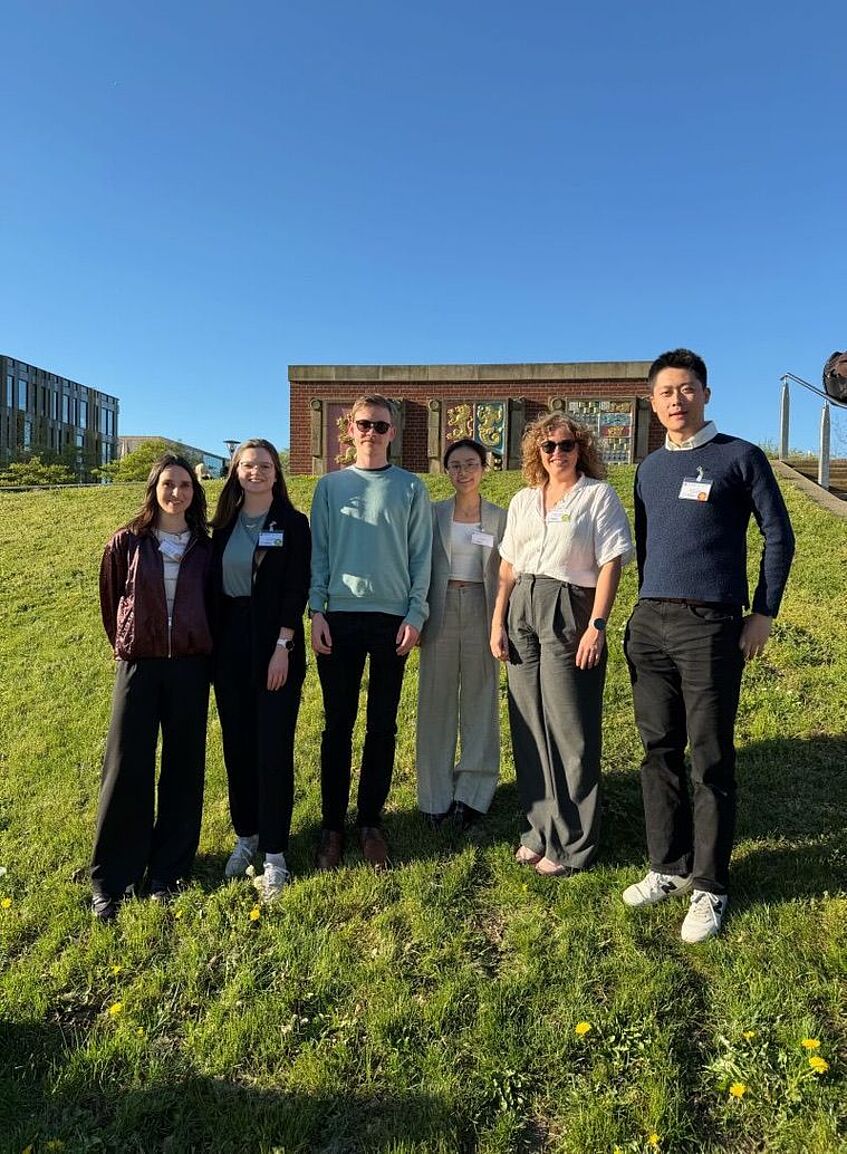
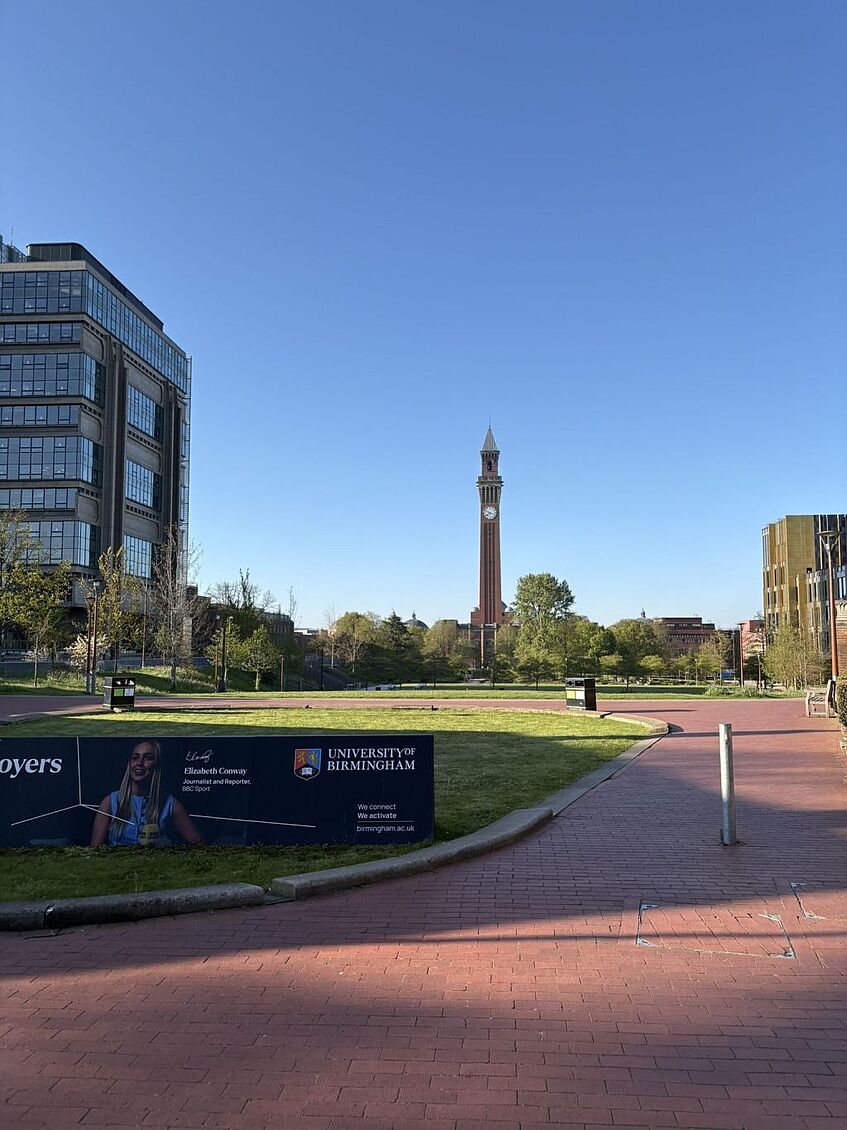
Exploring efficient, energy-saving solutions for our data analysis projects in WP3 was therefore one of the main reasons Veronika Ebner and I travelled to the COMPTEXT conference in Birmingham this April. COMPTEXT —The 8th International Interdisciplinary Conference on the Quantitative and Computational Analysis of Text-, Image- and Video-as-Data—brought a young and curious research community to Birmingham. Over the course of three days, communication scholars like us met with sociologists, political scientists, and others working with computational, AI-driven methods across text, image, and video. It’s the kind of conference where people share code, challenge assumptions and help one another.
© Fabienne Lind
From Methods to Impact
The first day focused on hands-on workshops, new tools, practical tricks, and clever pipelines. For our work in CIDAPE's WP3, these sessions were very useful. We picked up state-of-the-art approaches in multimodal analysis, methods that meaningfully combine text, image, and video rather than treating them in isolation, and also discussed sustainable analysis pipelines.
Beyond methodology, the conference showcases empirical work where computational tools unlock new insights. Each year, several panels focus on climate and environmental topics, and this year was no exception. We presented two CIDAPE studies. Veronika spoke on "Hope for the climate? Constructive elements in environmental journalism on TikTok and their influence on social media engagement" (co-authors: myself and Hajo Boomgaarden). She examined the presence of constructive, solution-oriented communication on TikTok, beyond doom and gloom. My talk "Bridging political and spatial divides? Economic frames and emotions in TikTok debates on energy and mobility transformation" (co-authors: Veronika Ebner, Sonja Blum, Nora Habelitz and Linda Coufal) looked at TikTok discourses surrounding the ban on combustion engines and the German heating law. We explored which creators engage in these discourses and how they do so.
Moderating a roundtable on Sustainability and AI
My personal highlight was moderating a roundtable on "Sustainability and AI". The conversation revolved around the paradox mentioned at the beginning. We asked whether using AI for climate solutions, through its own energy and water demands, might worsen the very problem it aims to solve. We also discussed what contributions social science can make, and how we can design and govern AI, so that its benefits reach frontline and Global South communities while accountability for any potential harms is being made transparent.
I want to thank the COMPTEXT community for the feedback, code, conversations, and coffee. We're bringing what we learned back to our work for WP3 and will share outputs and data workflows as they mature. If you're working on environmental communication, multimodal analysis or the sustainability of AI in research, we'd love to connect.
Fabienne Lind is a postdoctoral researcher in the Department of Communication at the University of Vienna and lead of WP3 where she contributes computational insights of climate change-related communication on social media platforms.